
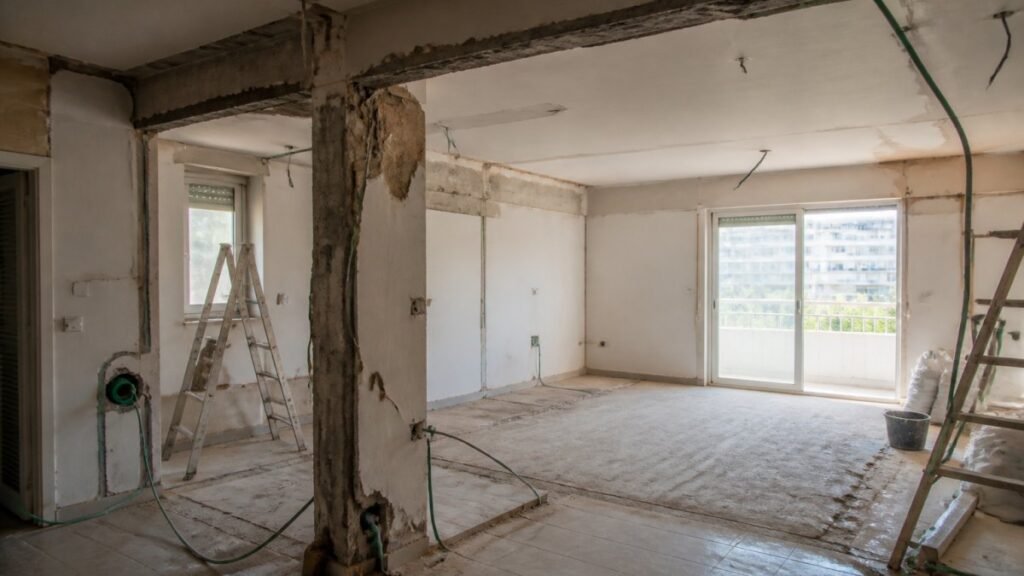
Last Updated: October 28, 2026Quick SummaryShinui diyarim is the formal process of requesting changes to an apartment’s design, layout, or specifications during construction, before the developer hands over the keys. The process is time-boxed and contractual, and changes may be difficult to reverse once construction has progressed.Shinui diyarim happens while the building is under construction, not after you receive the apartment.Check your purchase contract and the developer’s specification documents for the applicable design-change dates.Ask the developer for dates, permitted changes, fees, and the documentation process in writing.Ask the developer to document scope, price, schedule implications, and payment terms before approving a change.Studio DKL brings over 16 years of experience, with services in English, French, and Hebrew.Table of ContentsWhat Shinui Diyarim Means in a New-Build PurchaseHow It Differs From a Post-Handover RenovationDeveloper Design Change Deadlines You Cannot MissA Chronological Process Map With Decision GatesWhat Happens When a Decision Is LateQuestions to Put to the Developer in WritingStep 1: Review the Original Floor Plan and Building SpecificationsStep 2: Plan Layout, Electrical, Lighting, Plumbing and FinishesElectrical Points and Lighting LayoutKitchen, Bathroom and Finish SelectionWhat Shinui Diyarim Costs and How Change Orders Are PricedThe Four Cost LayersHow a Change Order Should Be Priced and DocumentedWhere Buyers Typically Save and Where They Typically OverspendWhat to Negotiate and What to AcceptManaging Renovations From Abroad: Coordination and Site ChecksCommon Mistakes Buyers Make With Shinui DiyarimBook a Design Consultation Before Your Developer DeadlineFrequently Asked QuestionsWhat Shinui Diyarim Means in a New-Build PurchaseShinui diyarim is the formal process of requesting changes to an apartment’s design, layout, or specifications during construction, before the developer hands over the keys. The process is time-boxed and contractual, and changes may be difficult to reverse once construction has progressed.The process matters because you are not renovating a finished home. You are editing a building while it is still being built, and the developer controls the schedule. Miss the deadline and your preferred layout becomes a wall you will later pay to demolish.How It Differs From a Post-Handover RenovationA post-handover renovation happens after you receive the apartment. Shinui diyarim takes place earlier, while the building is still under construction.The trade-off is control. You are working within the developer’s approved options, building specifications, and planning constraints, not a blank canvas.Developer Design Change Deadlines You Cannot MissDeadlines are an important part of the process. Check your purchase contract and the developer’s specification documents for the applicable dates.A Chronological Process Map With Decision GatesThe process can be considered as a sequence of decisions. Names and dates vary by developer and project:Contract and specification review (before signing). Review the relevant contract and specification documents.Design-change window opens. Check the developer’s schedule for the applicable dates and requirements.Layout and systems lock. Check with the developer about the timing and implications of finalizing layout and systems decisions.Finish selection window. Check with the developer about the timing and requirements for selecting finishes.Final specification sign-off. Ask the developer how approved changes and any related updates will be documented.Construction and handover. Ask the developer how requests made after the applicable window will be handled.What Happens When a Decision Is LateAsk the developer how a late decision could affect the request and the project.Watch OutA deadline confirmed verbally is not a deadline. Ask for the date, the name of the person who confirmed it, and the document it appears in, then diarise it a month earlier than stated so drawings and finish reviews are finished before the window shuts.Questions to Put to the Developer in WritingAsk the developer for the applicable design-change dates, permitted changes, fees, documentation process, and contact for submissions. Keep the answers with your contract and specification documents.Here is the decision sequence the article lays out, with each gate to confirm with your developer.StageWhat happensWhenContract and specification reviewReview contract and specification documentsBefore signingDesign-change window opensCheck developer’s schedule for dates and requirementsPer developer scheduleLayout and systems lockConfirm timing and implications of finalizing decisionsPer developer scheduleFinish selection windowConfirm timing and requirements for selecting finishesPer developer scheduleFinal specification sign-offAsk how approved changes will be documentedPer developer scheduleConstruction and handoverAsk how late requests will be handledAfter the applicable windowStep 1: Review the Original Floor Plan and Building SpecificationsStart by reviewing the available floor plan and building specifications. Check with the developer about which changes are permitted.Mark up the plan to show what you want to keep, change, or discuss.Consider consulting an interior designer while you are reviewing the plan.Step 2: Plan Layout, Electrical, Lighting, Plumbing and FinishesThis step involves considering layout, systems, and finishes.Designer and couple reviewing floor plan and finish samples for a shinui diyarim apartment renovation processElectrical Points and Lighting LayoutConsider how you plan to use each room when reviewing electrical points and lighting. Ask the developer about the implications of changes after the walls are closed.Kitchen, Bathroom and Finish SelectionConsider kitchen and bathroom plans, plumbing, and finishes together. Ask the developer about the timing and implications of these decisions.
Get Started Today →Our interior design service describes the design process.What Shinui Diyarim Costs and How Change Orders Are PricedCosts depend on the project. Review the relevant quotes and charges before approving changes.The Four Cost LayersDesigner or architect fees. If you engage a professional, ask for a quote that explains the fee and scope.Developer change-order charges. Ask the developer how any proposed changes will be priced and documented.Coordination or handling fees. Ask the developer whether any such fees apply and how they are calculated.Work outside the developer’s scope. Ask the developer which work is outside its scope and how it can be arranged.How a Change Order Should Be Priced and DocumentedAsk the developer to document the scope, price, any schedule implications, and payment terms before you approve a change.Pro TipAsk the developer whether consolidating requests would affect the process or schedule.Where Buyers Typically Save and Where They Typically OverspendAsk the developer which options are available, when decisions are due, and how changes may affect the project cost.For pricing context on the renovation side of the project, see our breakdown of renovation management costs.What to Negotiate and What to AcceptAsk the developer which changes, fees, and payment terms are open to discussion, and how the construction schedule affects decision deadlines.Managing Renovations From Abroad: Coordination and Site ChecksRemote buyers may want to discuss how site updates and communication will be handled during the project.Language can add a layer. Our article on overcoming language barriers with contractors discusses the topic.Common Mistakes Buyers Make With Shinui DiyarimReview the applicable deadlines, decision sequence, documentation, and available options with the developer.Our renovation checklist covers considerations beyond the design-change window.Book a Design Consultation Before Your Developer DeadlineIf your design-change window is open, you can book a design consultation with Studio DKL.Studio DKL brings over 16 years of experience to interior design and renovation management, with services in English, French, and Hebrew and support for clients managing projects from abroad.Get started with Studio DKL to discuss your project.Frequently Asked QuestionsWhat exactly is the shinui diyarim process?Shinui diyarim refers to changes to a new apartment during construction, before handover. Ask the developer which changes are available, how requests are handled, and how timing may affect them.When is the best time to submit design changes to a developer?Ask the developer for the applicable deadlines and requirements, and plan your decisions around the information provided.How much do shinui diyarim costs typically include?Costs depend on the project and the developer’s terms. Ask for the applicable charges in writing before approving changes.Do I need an interior designer for the shinui diyarim phase?Whether to consult an interior designer depends on your project needs. Studio DKL offers personalized guidance and renovation management, including support for clients managing projects from abroad.
Get Started TodayAdd studio-dkl.com as a preferred source on Google →